Materials & Origins · Chapter 3 of 3

The Molecules Behind the Naturals

Natural aromatic materials are ecosystems of hundreds of molecules, not single compounds; and the adulteration that compromises “natural” materials.

About 6 minutes of reading

Natural Aromatics

The molecules behind
nature’s masterworks

Natural aromatic materials are ecosystems of hundreds of molecules, not single compounds. Each card below shows the dominant one. Tap a card for detail.

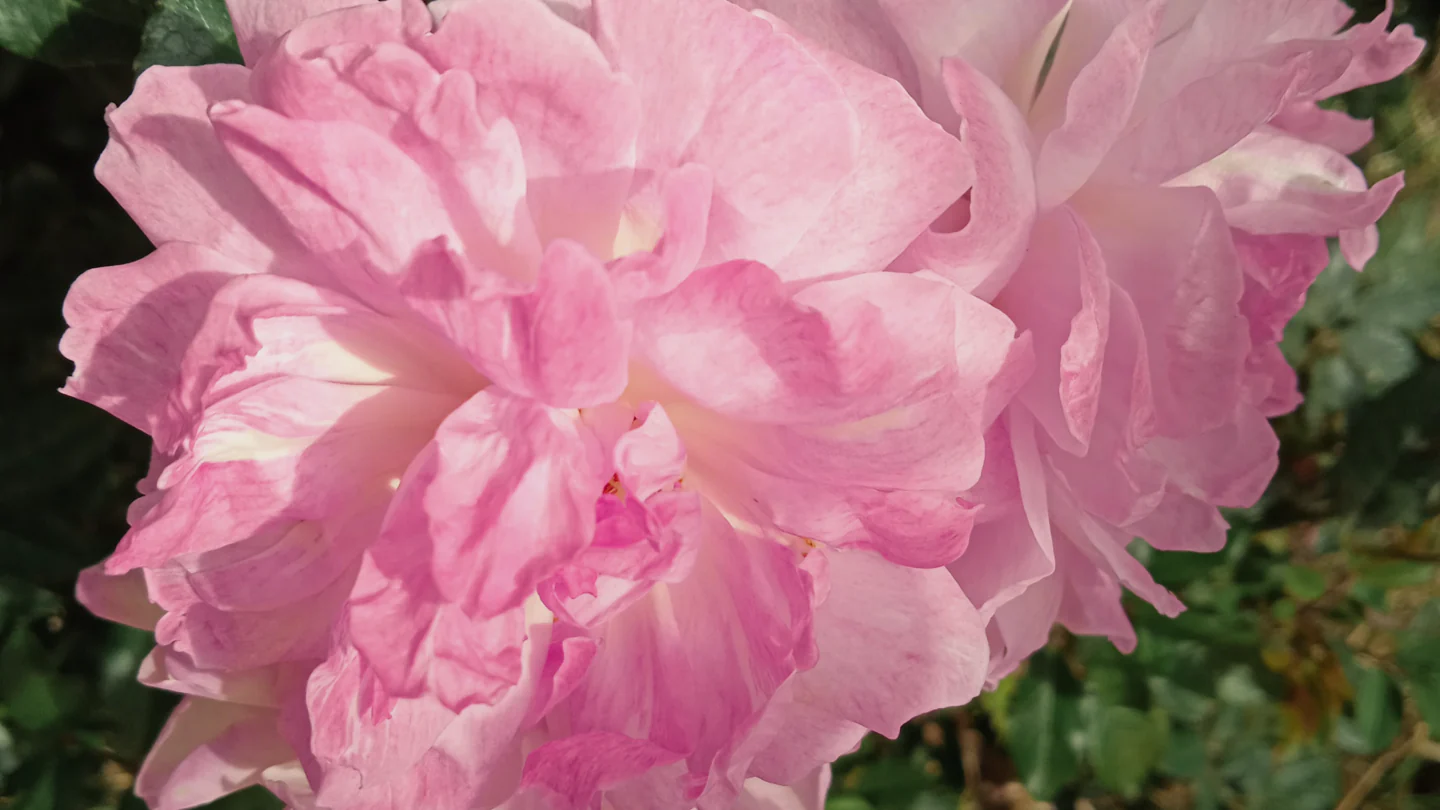
Rosa damascena, engraved botanical plate
Rosa damascena · Bulgaria
Tap for detail
Floral · Rosa damascena
β-Damascenone
Rosa damascena · The rose molecule
C₁₃H₁₈O CAS 23696-85-7
Detected at 0.006 µg/kg in water. This cyclic enone defines the rosy, fruity, jammy depth of rose absolute and is found in red wine at trace levels.
Threshold
0.006 µg/kg in water
Origin
Kazanlak, Rose Valley, Bulgaria
Yield
Tonnes of petals per kilogram
Jasminum grandiflorum, engraved botanical plate
Jasminum grandiflorum · Tamil Nadu, India
Tap for detail
Floral · Jasminum grandiflorum
Indole
Jasminum grandiflorum · The narcotic molecule
C₈H₇N CAS 120-72-9
At high concentration: fecal. At trace levels: narcotically floral. One molecule, entirely opposite character at different scales. The paradox at the heart of jasmine absolute.
Harvest
By hand, in the morning
Yield
A great many flowers per gram
Origin
Tamil Nadu, India
Class
Bicyclic heterocycle
Vanilla planifolia, engraved plate
Vanilla planifolia · Madagascar
Tap for detail
Gourmand · Vanilla planifolia
Vanillin
Vanilla planifolia · An early synthetic aromatic
C₈H₈O₃ CAS 121-33-5
An early synthetic aroma molecule: Tiemann and Haarmann patented a synthesis in 1874, and other routes followed. Now widely used in flavors and fragrances.
First synthesized
1874 (Tiemann)
Curing time
Months
Origin
Madagascar
Class
Aromatic aldehyde
Lavandula angustifolia, engraved plate
Lavandula angustifolia · Alpes-de-Haute-Provence, France
Tap for detail
Aromatic · Lavandula angustifolia
Linalool
Lavandula angustifolia · Ubiquitous terpene alcohol
C₁₀H₁₈O CAS 78-70-6
Found in a great many flowering plants. High-altitude Provence lavender is prized for a high ratio of linalyl acetate to linalool — the defining character of fine, as opposed to industrial, lavender.
Sources
Many plant species
Altitude
High plateaux, Provence
Class
Monoterpene alcohol
Santalum album, engraved plate
Santalum album · Mysore, Karnataka, India
Tap for detail
Woody · Santalum album
α-Santalol
Santalum album · The sacred wood molecule
C₁₅H₂₄O CAS 115-71-9
The principal sesquiterpene alcohol of Mysore sandalwood — the main constituent of the heartwood oil. Creamy, milky, woody-sweet. The trees take decades to mature.
Tree age
Decades
Origin
Mysore, Karnataka, India
Class
Sesquiterpene alcohol
Chrysopogon zizanioides vetiver root, engraved plate
Chrysopogon zizanioides · Haiti
Tap for detail
Earthy · Chrysopogon zizanioides
Khusimol
Chrysopogon zizanioides · The smoky earth molecule
C₁₅H₂₄O CAS 16223-63-5
The principal sesquiterpene alcohol of vetiver oil. Earthy, smoky complexity from hundreds of compounds, with khusimol prominent among them.
Compounds
About two hundred on record in vetiver oil
Harvest
Root distillation
Origin
Haiti
Class
Sesquiterpene alcohol
Molecule
Pogostemon cablin · Indonesia
Tap for detail
Earthy · Pogostemon cablin
Patchoulol
Pogostemon cablin · The earthy signature
C₁₅H₂₆O CAS 5986-55-0
The dominant sesquiterpene alcohol behind patchouli’s earthy-sweet character. Used extensively in chypre and oriental compositions. Traditionally said to improve with age.
Character
Earthy, sweet, dark
Aging
Improves over years
Origin
Indonesia, Philippines
Class
Tricyclic sesquiterpene
Iris pallida orris, engraved plate
Iris pallida · Florence, Italy
Tap for detail
Floral · Iris pallida
α-Irone
Iris pallida · The powdery violet molecule
C₁₄H₂₂O CAS 79-69-6
The precious ketone responsible for orris butter’s powdery, violet-like character. Orris roots age for years before the irones develop. Among the costliest natural materials.
Aging time
Several years
Origin
Florence, Italy
Class
Cyclic ketone
Citrus bergamia bergamot, engraved plate
Citrus bergamia · Calabria, Italy
Tap for detail
Citrus · Citrus bergamia
Limonene
Citrus bergamia · The citrus backbone
C₁₀H₁₆ CAS 138-86-3
A dominant monoterpene of citrus peels, and a large part of cold-pressed bergamot oil. Provides the bright, fresh character essential to eau de cologne tradition.
Content
A constituent of bergamot oil on record (no share shown)
Extraction
Cold expression
Origin
Calabria, Italy
Class
Cyclic monoterpene
Molecule
Agave amica (tuberose) · Tamil Nadu, India
Tap for detail
Floral · Agave amica (tuberose)
Methyl Benzoate
Agave amica, formerly Polianthes tuberosa · The intoxicating white flower
C₈H₈O₂ CAS 93-58-3
One of the key aromatic esters giving tuberose its intensely heady, almost narcotic character. Tuberose was classically extracted by enfleurage, a very labor-intensive method.
Extraction
Enfleurage/Solvent
Character
Heady, narcotic
Origin
Tamil Nadu, India
Class
Aromatic ester
Molecule
Cedrus atlantica · Atlas Mountains
Tap for detail
Woody · Cedrus atlantica
Cedrol
Cedrus atlantica · The pencil-shavings molecule
C₁₅H₂₆O CAS 77-53-2
The dominant sesquiterpene alcohol in cedarwood oils. Dry, woody, pencil-shavings character. Atlas cedarwood from Morocco is valued for perfumery.
Character
Dry, woody, clean
Content
A major part of cedar oil
Origin
Atlas Mtns, Morocco
Class
Sesquiterpene alcohol
Boswellia sacra frankincense, engraved plate
Boswellia sacra · Dhofar, Oman
Tap for detail
Resinous · Boswellia sacra
Olibanol
Boswellia sacra · The sacred smoke molecule
C₁₅H₂₆O sesquiterpenol fraction · no single CAS
A key sesquiterpene alcohol in frankincense — the sacred resin burned in temples for millennia. Oman’s Dhofar region is famed for its Boswellia sacra.
History
Millennia of sacred use
Grade
Hojari (a top trade grade)
Origin
Dhofar, Oman
Class
Sesquiterpene alcohol
Aquilaria malaccensis agarwood, engraved plate
Aquilaria malaccensis · Sarawak, Malaysia
Tap for detail
Woody · Aquilaria malaccensis
Agarofuran
Aquilaria malaccensis · The resin of oud
C₁₅H₂₄O agarwood sesquiterpene · no single CAS
The dark, animalic-woody heart of oud. Agarwood forms only when Aquilaria trees wound and lay down fragrant resin over decades — a costly raw material.
Origin
Sarawak, Malaysia
Pelargonium graveolens, rose geranium, engraved botanical plate
Pelargonium graveolens · Réunion
Tap for detail
Floral · Pelargonium graveolens
Geraniol
Pelargonium graveolens · The rosy green molecule
C₁₀H₁₈O CAS 106-24-1
The primary monoterpene alcohol in rose and geranium oils. Sweet, rosy-green character. Bourbon geranium from Réunion Island is especially prized.
Sources
Rose, geranium, citronella
Origin
Réunion, Egypt
Class
Monoterpene alcohol
Dark Truths

Raw Material Adulteration

The fragrance supply chain harbors secrets the industry prefers not to discuss. Adulteration, fraud, and the economic pressures that compromise “natural” materials.

Rose Otto Fraud

Genuine Bulgarian rose oil is one of the costliest oils in perfumery, and adulteration is common. Common cuts include: geranium oil (citronellol-rich, similar profile), synthetic phenylethyl alcohol, palmarosa oil, and even cheaper Turkish or Moroccan rose diluted to Bulgarian specifications. Adulteration of “Bulgarian rose” is widely reported, and buying directly from distillers, with testing, is the surest protection.

Sandalwood Crisis

Genuine Mysore sandalwood (Santalum album) is scarce in commercial quantities, and illegal harvesting has been reported. What’s sold as “sandalwood oil” is often: Australian S. spicatum (different species, different smell), synthetic santalol blends, or Indian sandalwood heavily diluted with synthetics. Buyer beware.

Oud Deception

Genuine agarwood oud is among the costliest raw materials there are, and the grade decides how costly. The “oud” in an everyday fragrance is usually a reconstruction — combinations of materials such as Javanol, Cashmeran, cypriol and oud bases — and even specialist attars can be diluted or extended. Authentic oud is a luxury few have actually smelled.

Lavender Stretching

Even humble lavender faces adulteration. Pure Lavandula angustifolia from Provence costs far more than lavandin (a hybrid). Standard practice: cut fine lavender with lavandin, synthetic linalool, and linalyl acetate. The result smells “lavender enough” for most applications. GC-MS analysis is how it is caught; a “100% pure” label on its own proves little.

Why This Matters

Adulteration isn’t just fraud — it affects olfactory experience. A perfumer designing with “jasmine absolute” that’s actually partly synthetic indole and benzyl acetate creates a different fragrance than one using genuine Grasse jasmine. When materials are substituted downstream without disclosure, formulas drift from their creator’s intent. The Big Four maintain rigorous supply chains precisely because consistency matters. Smaller houses and “natural perfumers” often cannot verify what they’re actually buying.

Documented Adulteration Methods
How the costliest materials are cut, and how the cut is caught
MaterialCommon adulterantDetectionCost gap
Rose otto BulgarianGeranium oil + citronellolDifficult at low levels of adulterationReal oil is costly; cut oil much cheaper
Oud / AgarwoodAnimal fat, cheaper wood oils, syntheticsGC-MS shows sesquiterpene ratioReal oud is rare and costly; fraud common
Sandalwood MysoreAustralian or Indonesian sandalwood + syntheticsα/β santalol ratio analysisTrue Mysore is scarce; substitutes are cheap
Jasmine absoluteHedione, methyl jasmonate, syntheticsGC-MS headspace analysisReal absolute is costly; synthetics cheap
Orris absoluteIris pallida CO2 + irone syntheticsIonone isomer ratio analysisReal orris butter is among the costliest; substitutes far cheaper

the house's editorial summary of documented practice; cost figures are not shown until they can be sourced

The certification problem: ISO certification and IFRA certificates of conformity do not verify that a material is unadulterated — they only verify that the sample submitted for testing met the standard. The sample tested may not represent the bulk shipped. Large buyers commonly test the materials they receive — but smaller perfumers often cannot afford it.
3 labeled · 3 unsourced

Evidence for this section: 3 labeled · 3 unsourced
Help bring a GC-MS lab and free classes to the guide. why?