Materials & Origins · Chapter 2 of 3
The World Map
Perfumery is geography made invisible: the ingredient world map, the regional traditions and the scent traditions of the world.
About 11 minutes of reading
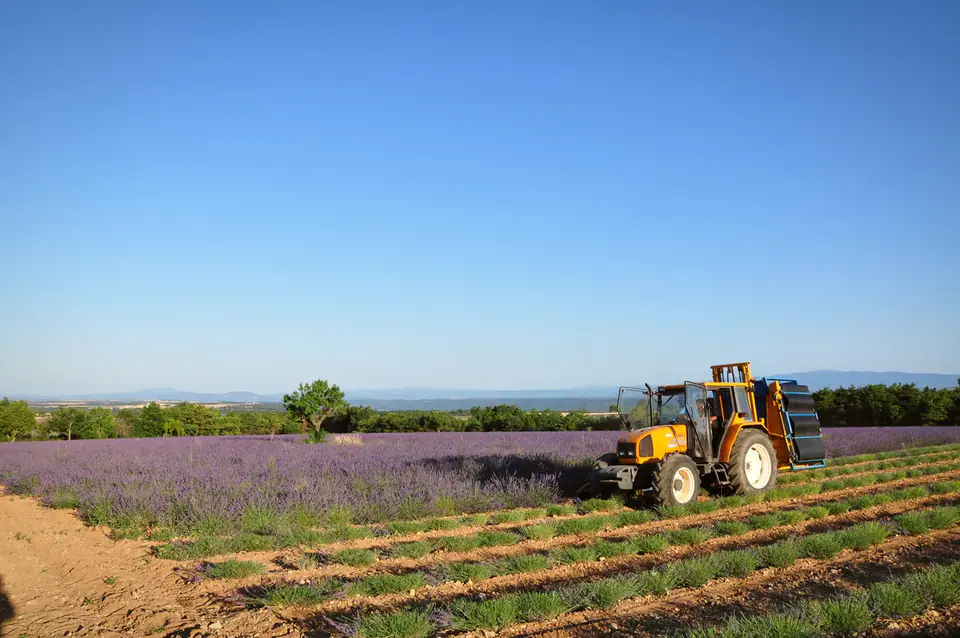
Photo: “Récolte mécanique de la lavande” by Alpes de Haute Provence, CC BY 2.0, via Wikimedia Commons; color-graded and cropped by Radler Parfums.
The Ingredient World Map
Perfumery is geography made invisible. From Kazanlak rose to Mysore sandalwood, from Calabrian bergamot to Malagasy vanilla — every great fragrance is a map of the world distilled into scent.
- Alpes-de-Haute-Provence fine lavender, lavandin
- Grasse fine lavender
- Kazanlak damask rose
- Taif damask rose
- Tamil Nadu jasmine
- Florence iris
- Calabria bergamot
- Haiti vetiver
- Dhofar frankincense tree
- Mysore Indian sandalwood
- Sarawak agarwood tree
- Madagascar vanilla
This map is the 2D edition of the harvest globe; the pins list the origins, with links to their essays. The pins and the globe are drawn from the same Origin records; each point is Wikidata’s representative point for the place, not a field.
Ingredient Regions
6 sourced · 4 unsourced
Evidence for this section: 6 sourced · 4 unsourced
Sources cited here include: Publication of an application pursuant to Article 50(2)(a) of Regulation (EU) No 1151/2012 (‘Българско розово масло’…; Diaz-Chavez et al. (2013). Biosynthesis of Sandalwood Oil: Santalum album CYP76F Cytochromes P450 Produce Santalols and Bergamotol; de Oliveira RT, da Silva Oliveira JP, Macedo AF
Regional Traditions
Perfumery evolved differently across cultures — each region developing distinctive aesthetics, materials, and philosophies. Understanding these traditions illuminates the global tapestry of scent.
French Perfumery
The epicenter of Western perfumery since the 16th century. French tradition emphasizes structure, balance, and the concept of accord — multiple notes blending into a unified impression greater than its parts. Grasse remains a capital of perfumery. The grandes maisons (Guerlain, Chanel, Dior) defined luxury perfumery and maintain in-house perfumers who work for decades on a single house’s aesthetic. French perfumery is architectural: it thinks in terms of pyramids, accords, and evolution over time.
Arabic Perfumery
A long continuous perfumery tradition. Arabic (Gulf) perfumery centers on oud, rose, saffron, amber, and animalic musks — materials of extraordinary intensity applied liberally. Where French perfumery values restraint, Gulf perfumery celebrates abundance. Attars (oil-based perfumes) avoid alcohol entirely; bakhoor (incense) scents the home; traditional dahn al oud is pure resin oil. The aesthetic is immersive: fragrance as a cloud that surrounds, announces, and lingers. In the Gulf, underperfuming is the error — generous application signals hospitality and wealth.
Japanese Perfumery
Rooted in Kōdō — the Way of Incense — the Japanese approach to scent is meditative rather than projecting. Subtlety, negative space, and seasonality define the aesthetic. Fragrances are often barely perceptible, meant to be discovered rather than announced. The concept of “ma” (間) — meaningful emptiness — applies: what’s absent is as important as what’s present. Modern Japanese houses like Shiseido blend this minimalist philosophy with French technical training, creating fragrances that feel transparent, ethereal, almost watercolor-like.
Indian Perfumery
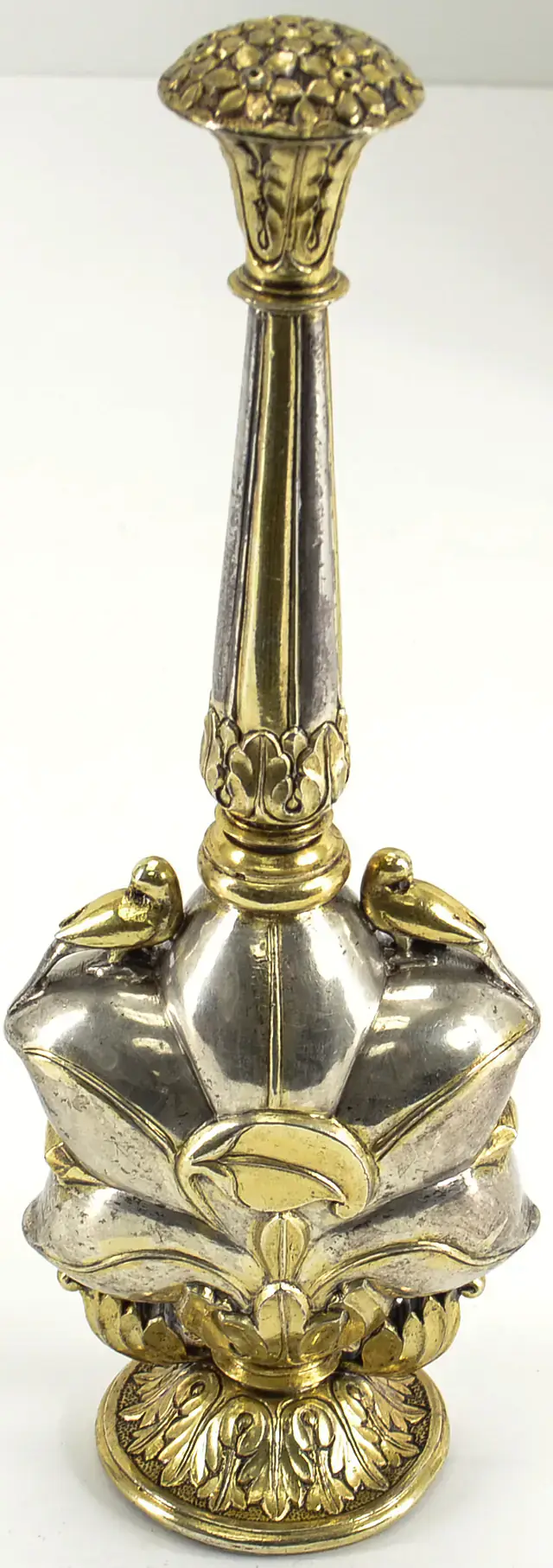
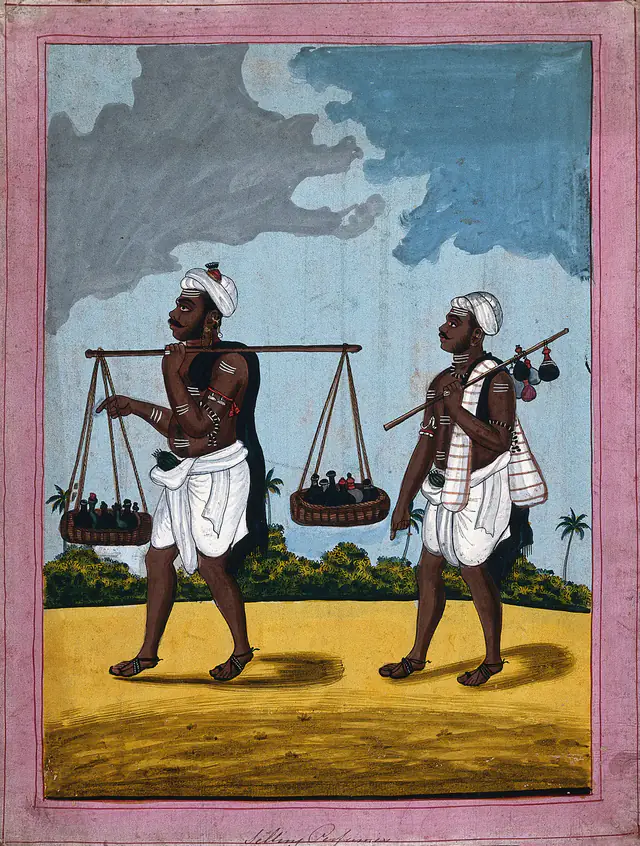
India’s perfumery tradition is many centuries old. The attar (itr) tradition of Kannauj produces oil-based perfumes using deg-bhapka distillation into sandalwood oil base — a technique unchanged for centuries. Indian perfumery celebrates intensity: tuberose, jasmine sambac, champaca, frangipani — all headily narcotic flowers. Mysore, in Karnataka, has long been known for its sandalwood. Religious and ceremonial uses remain central, and agarbatti (incense sticks) burn in temples across the country. Modern Indian perfumery increasingly influences global trends, especially in oud and white floral categories.
American Perfumery
The youngest major tradition. American perfumery emerged in the 20th century with a democratic, accessible, clean-scent focus. Where European traditions emphasized complexity and history, American perfumery valued freshness, wearability, and mass appeal. The “clean” category is essentially American — Estée Lauder’s White Linen, Calvin Klein’s CK One, the entire Tommy Hilfiger aesthetic. American niche houses (Le Labo, D.S. & Durga) now lead global trends, blending European training with American informality.
Italian Perfumery
Historically the bridge between East and West. Venice was the medieval crossroads of the spice and fragrance trade; Florence pioneered iris cultivation for orris root. Modern Italian perfumery marries elegance with accessibility — Acqua di Parma’s refined citrus colognes, Bulgari’s sophisticated simplicity, the sensual warmth of Santa Maria Novella’s centuries-old formulas. Italian fragrances feel effortless, luxurious without ostentation. Calabrian bergamot remains the world’s benchmark; Florentine iris among the costliest natural materials in perfumery.
2 labeled
Evidence for this section: 2 labeled
Scent Traditions of the World
Long before it was bottled and sold, scent was sacred and social — living traditions of smoke, oil and ceremony that still flourish far from the Paris laboratory.
The Mabkhara and the Blended Oil — Scent in the Gulf
Across the Arabian Peninsula, fragrance often begins with smoke. Bakhoor — wood chips, most often agarwood, macerated in perfumed oils, resins and sugar — is set over a coal in the mabkhara, a censer of clay, brass or carved wood. The smoke is drawn into clothing and hair and passed hand to hand among guests; to be offered the mabkhara is traditionally taken as a sign that a visit is drawing to a close, and an honor. Oud itself — the resinous heartwood the Aquilaria tree lays down in response to infection — is a costly raw material, burned in chips or distilled into dehn al-oud.
Beside the smoke sits the oil. A mukhallat — from the Arabic for “mixed” — is typically a blend of attars and absolutes worn undiluted on the skin: often rose, saffron, sandalwood, musk and oud. Its logic is accretive, depth built by layering, where the French school builds a top-to-base pyramid.
Deg, Bhapka and the Attars of Kannauj
In Kannauj, in Uttar Pradesh, attar has been distilled for centuries by a method that predates the glass laboratory. Botanicals are charged into a copper still — the deg — traditionally sealed with clay and fired over a wood or dung fire; the vapor passes through a bamboo pipe into a long-necked copper receiver, the bhapka, which sits submerged in water to cool. The receiver is filled with sandalwood oil, so the fragrant vapor condenses straight into a fixative base. There is no thermometer; distillers are said to judge the heat by hand on the bhapka’s neck.
The tradition’s most singular product is mitti attar — gil, or baked earth. Clay from the Gangetic plain is baked and then distilled, its petrichor caught in a sandalwood base. It is the smell of rain on dry ground, made wearable.
Kōdō — Listening to Incense
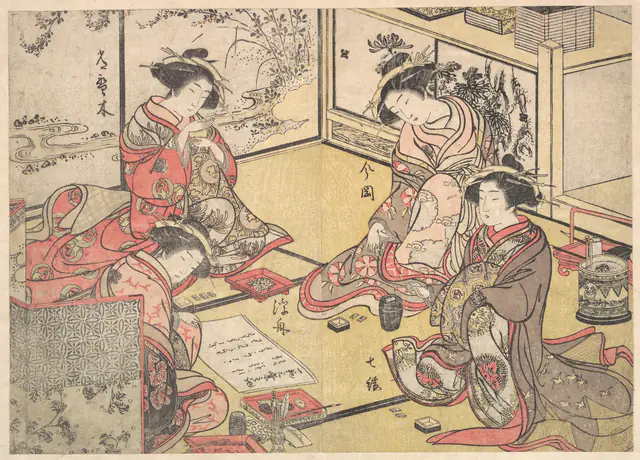
In Japan, incense became a discipline. Kōdō, “the way of incense,” stands beside tea and flower arrangement as one of the classical arts of refinement, formalized in the Muromachi period from earlier Buddhist practice. Its central act is monkō, usually translated as “listening to” incense: a chip of agarwood — the highest grade of which is kyara — is warmed on a mica plate above charcoal buried in ash, never set alight, so that it releases its scent slowly and without smoke.
From this attention grew kumikō, the incense-comparing games in which guests identify or match warmed woods and record their answers against a theme drawn from classical poetry. The aim is to train perception, not to compete: to read a scent as closely as a text.
Incense as Offering
Long before it was sold, aromatic smoke was liturgy. Frankincense and myrrh — the hardened resins of Boswellia and Commiphora trees of the Arabian and East African drylands — traveled the ancient incense routes and were valued alongside gold. In the Christian churches they are still burned, frankincense swung in the thurible so that the rising smoke figures prayer ascending. In Hindu worship, dhoop and agarbatti are offered before the deity and circled in arati; in Buddhist temples across Asia, a lit stick marks devotion and once measured the span of meditation. In each, fragrance is directed upward, toward the divine, and the worshipper does not wear the scent.
Smoke, Resin and the Question of Respect
Many peoples have burned aromatic plants to cleanse and to pray. In the Americas, copal — the resin of Bursera and Protium trees — has been offered since Mesoamerican times; palo santo (Bursera graveolens) is burned as a sacred wood in the Andes; white sage holds ceremonial meaning for numerous Indigenous North American nations. These are living practices, not merchandise, and their fashion outside their communities carries a real cost: wild white sage is poached from public land and palo santo stands are under pressure, while “smudging” refers to specific ceremonies whose protocols vary by nation, and many Indigenous people regard its commercialization or use out of context as inappropriate. The respectful course is to learn the provenance of any resin, to buy only what is cultivated and lawfully harvested, and to leave sacred practice to those who hold it.
1 sourced · 1 labeled
Evidence for this section: 1 sourced · 1 labeled
Sources cited here include: Baig et al. (2025). Agarwood in the Modern Era: Integrating Biotechnology and Pharmacology for Sustainable Use