museum object
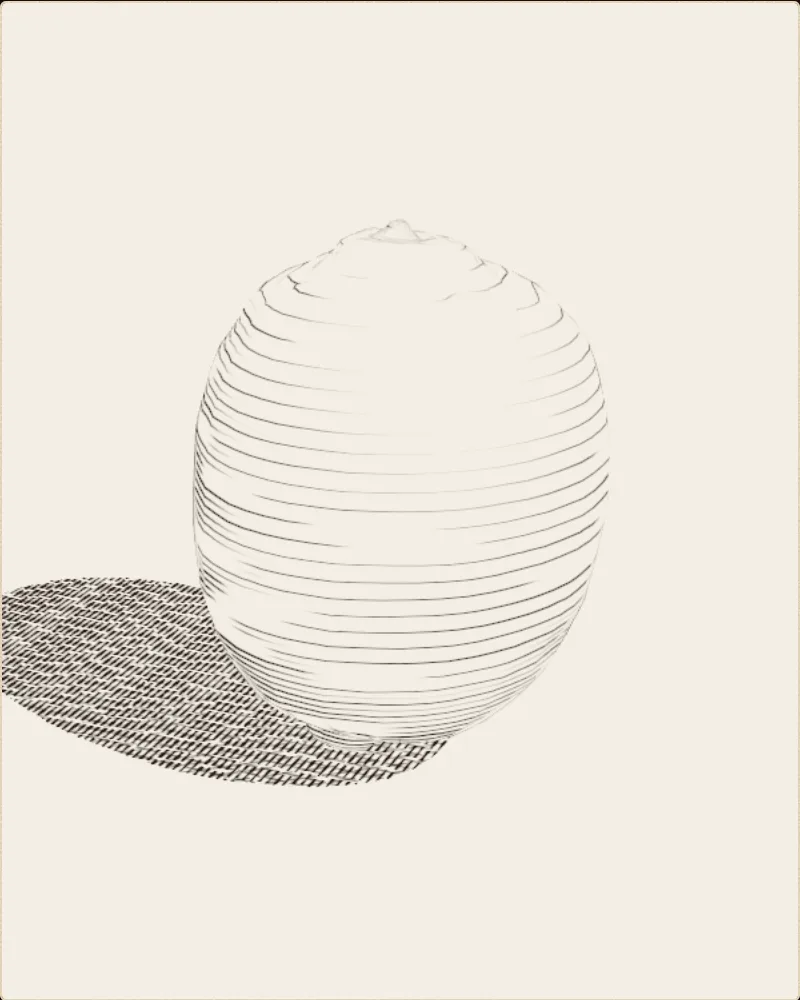
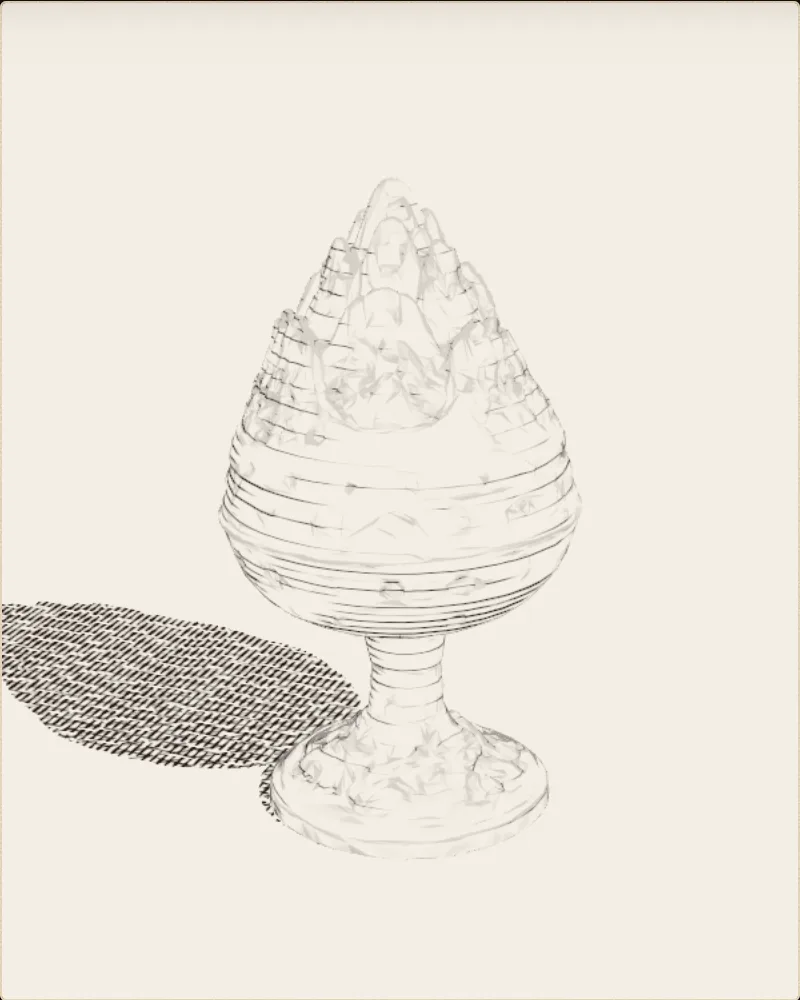
Lidded incense burner (xianglu)
A museum object, 3D-scanned by the Smithsonian: shown for the history of perfume, which began as smoke. Not a Radler object.
To place it in your room, open this page on an iPhone or iPad (AR Quick Look) or an Android phone (Google Scene Viewer). The files below open in any 3D viewer.
A lidded bronze incense burner (xianglu) with geometric decoration and narrative scenes, inlaid with gold, silver, turquoise and carnelian; China, early Western Han dynasty, about the 2nd century BCE. Freer Gallery of Art, National Museum of Asian Art, Smithsonian Institution, accession F1947.15a-b (purchase, Charles Lang Freer Endowment). Aromatics were burned in vessels like this one; the word perfume comes from the Latin per fumum, through smoke. The 3D model is the Smithsonian Digitization Program Office’s scan, simplified for the web here.
- In the room
- 17.9 cm tall, 10.1 cm across. H × W 17.9 × 10 cm (the museum’s measurement); shown at that size
- Source
- Smithsonian Institution, National Museum of Asian Art (Freer Gallery of Art), F1947.15a-b; 3D scan: Smithsonian Digitization Program Office · the museum’s record
- Licence
- CC0 1.0 (Smithsonian Open Access) · credit: Lidded incense burner (xianglu), Freer Gallery of Art, National Museum of Asian Art, Smithsonian Institution, F1947.15a-b; 3D model by the Smithsonian Digitization Program Office; CC0
- Model
- 15,000 triangles (simplified from 100,000)
The files GLB 727 KB · USDZ 1.4 MB
On the pages History