History & Masters · Chapter 3 of 4
Landmarks and Reformulations
Landmark fragrances, failed masterpieces, vintage against modern, house signatures and the reformulations that changed the classics.
About 14 minutes of reading
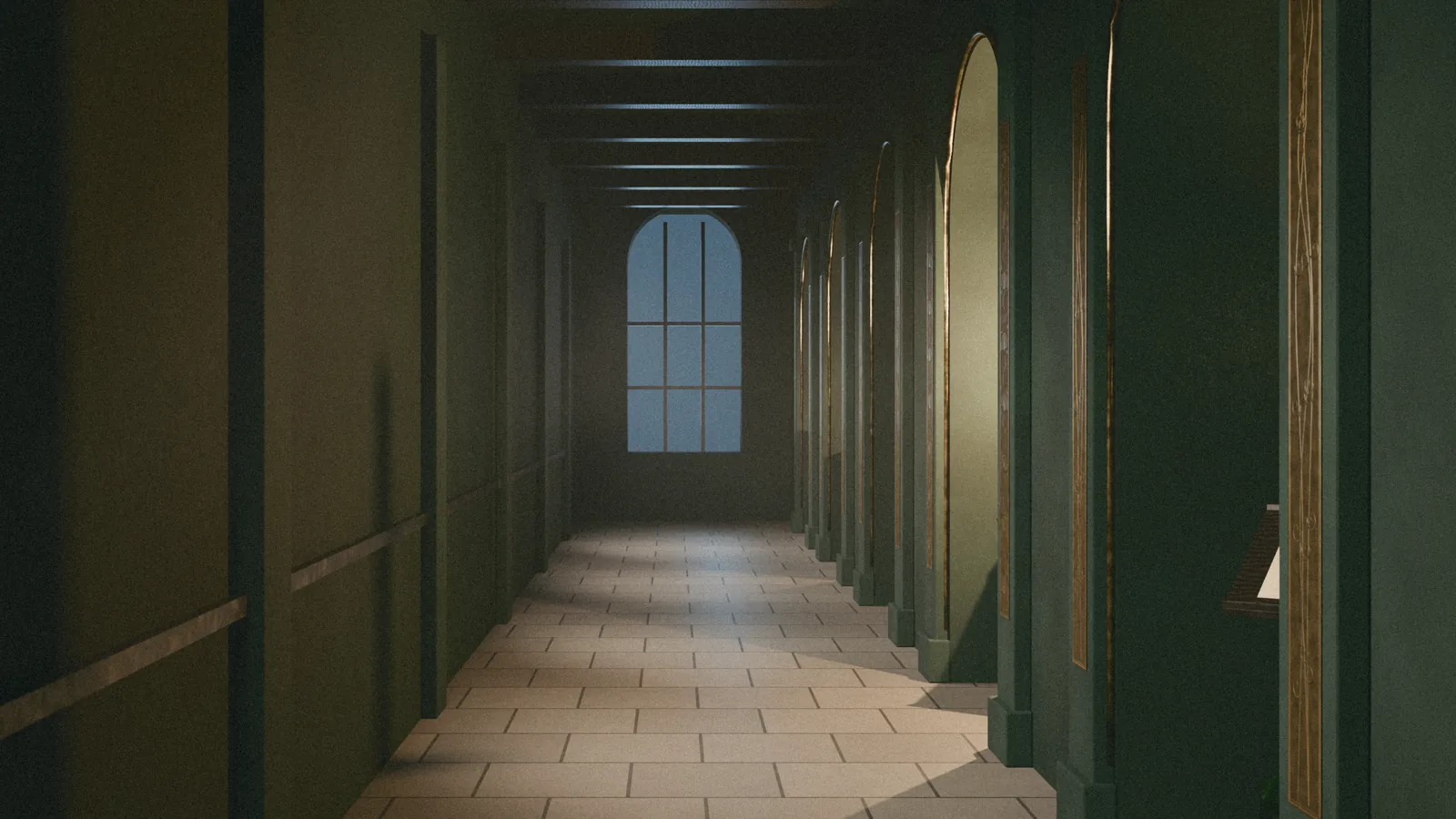
The corridor of the era bays: an illustrative render of period reading niches, modelled and rendered in-house (Blender Cycles; a CC0 lighting file from Poly Haven as a render input). It is not an object from this history.
Landmark Fragrances
These perfumes didn’t just succeed commercially — they invented categories, changed conventions, and became cultural touchstones. Each one tells a story about its era and about the possibilities of the art form.
Bottle Materials
- Laboratory-grade crystal glass
- Beveled octagonal stopper
- Art Deco minimalist design (1924)
Bottle Materials
- Baccarat crystal flacon
- Blue fan stopper (1925)
- Inverted heart silhouette
Bottle Materials
- Rectangular fluted glass
- Silver-tone metal cap
- Modernist 1960s design
Bottle Materials
- Japanese inro-inspired lacquer
- Gold tassel ornament
- Deep burgundy red glass
Bottle Materials
- Star-shaped flacon
- Cobalt blue glass
- Refillable “Source” system
Bottle Materials
- Conical frosted glass
- Silver sphere stopper
- Minimalist Japanese design
Bottle Materials
- Laboratory flask design
- Frosted glass
- Aluminum cap
Bottle Materials
- Baccarat hand-cut crystal
- Gold-plated zamac cap
- Rouge crystal variant
Bottle Materials
- Heavy midnight-blue glass
- Chrome-plated magnetic cap
- Minimalist masculine design
Bottle Materials
- Deep carmine lacquered glass
- Matte black bakelite cap
- Cream parchment label
1 labeled · 2 unsourced
Evidence for this section: 1 labeled · 2 unsourced
Failed Masterpieces
Commercial failure doesn’t mean artistic failure. These fragrances flopped at retail but are revered by perfumers and collectors. The market rejected them; history vindicated them.
2 sourced · 4 unsourced
Evidence for this section: 2 sourced · 4 unsourced
Sources cited here include: Osmothèque, Conservatoire international des parfums
Vintage vs Modern
What exactly changed between the vintage and the modern bottle? Breakdowns of specific fragrances — batch hints, note changes and the house’s verdict, as opinion.
The Art of the Flacon
Perfume bottles are vessels of desire — objects that must capture the invisible essence within through visual poetry. Some flacons are collected as art.
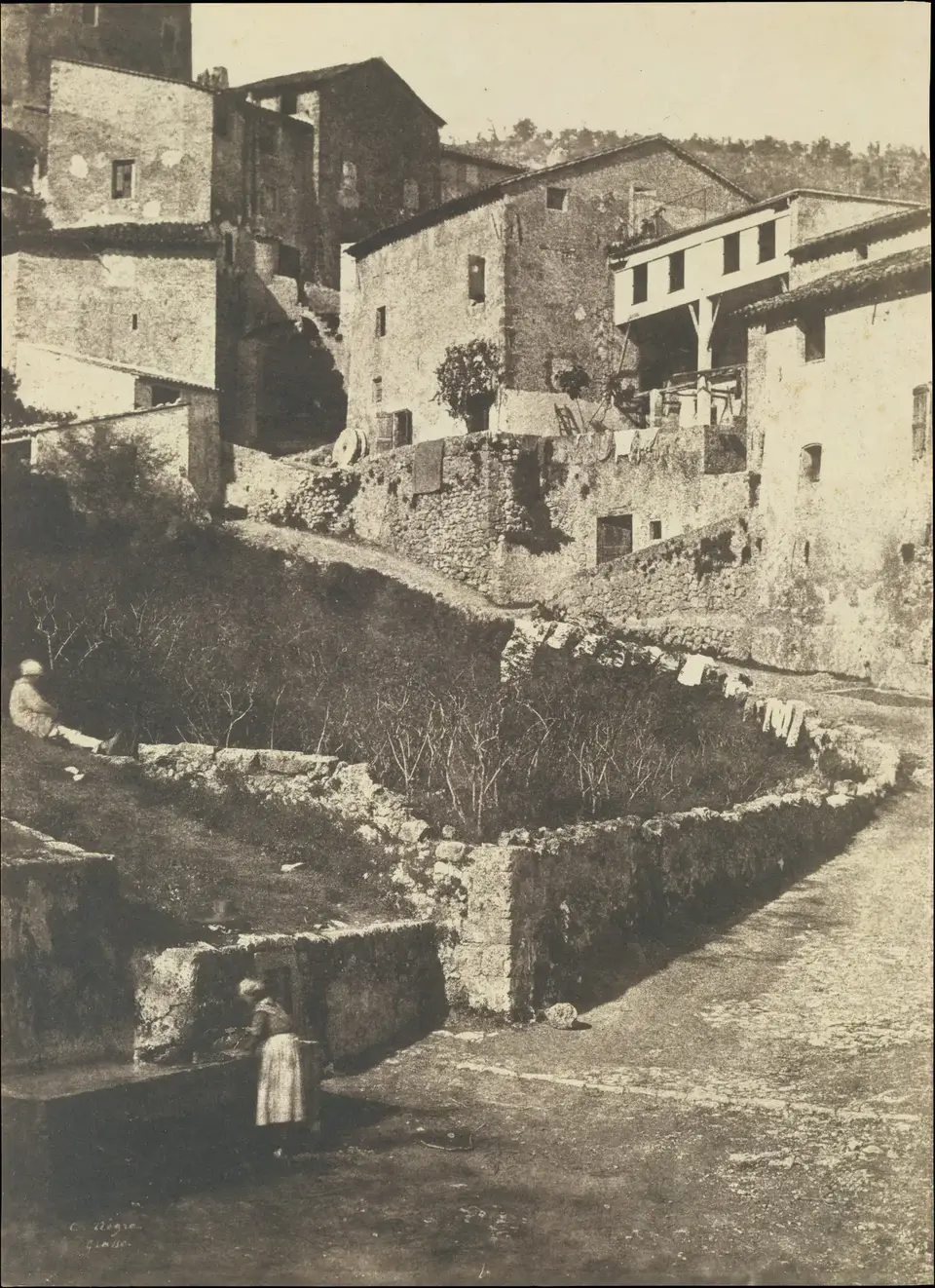
The Bottle in Pictures: perfume and scent bottles in museum collections, photographed by their museums, by the bays of the History timeline.
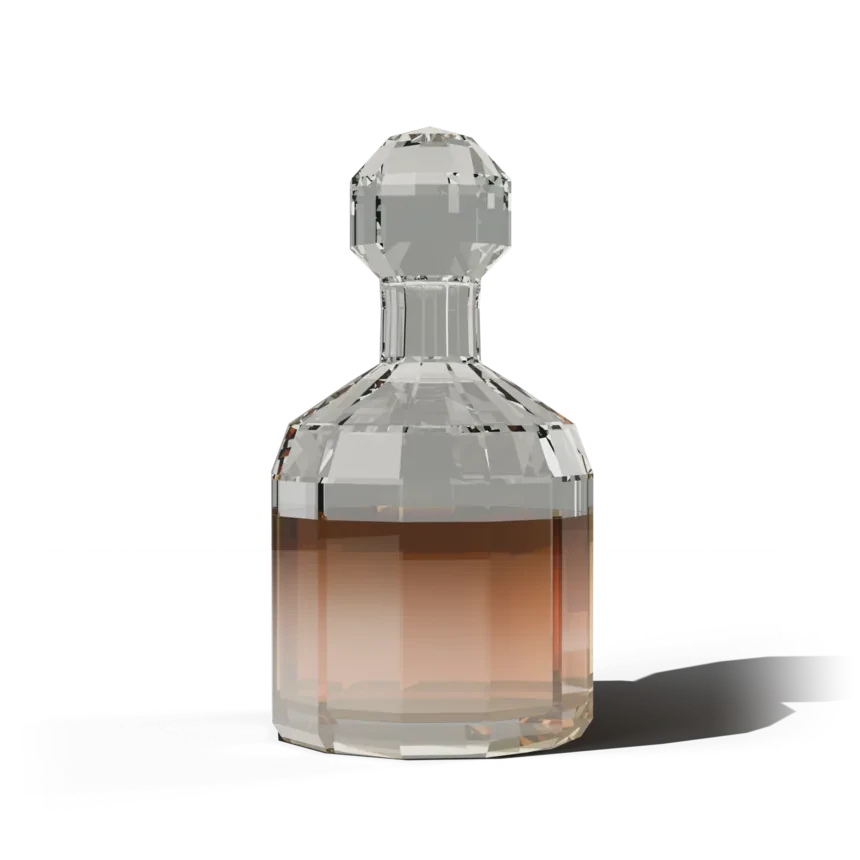
Baccarat Crystal Flacons
Crystal Type
Full-lead crystal with a fire-polished surface
Stopper
Ground glass with precision-fit dauber or atomizer
Signature
Acid-etched or sandblasted Baccarat mark on base
Lalique Frosted Glass
Glass Treatment
Satin-finish acid etching on demi-crystal
Motifs
Flora, fauna, and female figures in Art Nouveau style
Notable Works
L’Air du Temps doves, Ambre Antique scarab
The Guerlain Bee Bottle
Historic bottles shown for educational reference. Trademarks belong to their respective owners; no affiliation is implied.
Every vessel is modeled and rendered in-house in Blender — references to their eras, not products. © Radler Parfums.
1 sourced · 2 labeled · 2 unsourced
Evidence for this section: 1 sourced · 2 labeled · 2 unsourced
Sources cited here include: Art Institute of Chicago public API, artwork records read 2026-09-30
House DNA Signatures
Some houses are said to build on a recognizable base accord across their catalog, sometimes a pre-made concentrate added to new compositions. Most have never been officially disclosed in full.
Present since Jicky (1889). The Guerlinade is Guerlain’s proprietary base accord: bergamot, rose centifolia, jasmine (assembled in communelle form — a secret Guerlain technique of blending jasmine from different harvests and sources for consistency), iris, vanilla (used in excess since Shalimar 1925), and tonka bean. Guerlain acknowledges the six core components publicly but has never released the full formula or the communelle process.
Ernest Daltroff’s Mousse de Saxe base gave Caron its unmistakable character from the early 1910s: leather, geranium, licorice, and vanilla — a dark accord that contrasted the house’s bright florals. The specific formula remains proprietary. Caron’s Tabac Blond, Pour un Homme, Nuit de Noël, and Bellodgia all carry it in varying concentrations.
Writers on perfume often describe an airy, floral, clean quality shared by Chanel’s modern compositions by Jacques and Olivier Polge, and some put it down to generous linalool and natural jasmine absolute. Chanel publishes no formulas, so that is a reading of the perfumes, not a disclosed fact. Unlike Guerlain’s Guerlinade, it is not a named base accord.
1 sourced
Evidence for this section: 1 sourced
Sources cited here include: Osmothèque, Conservatoire international des parfums
Reformulation Tracker
The perfume industry’s dirty secret: your favorite fragrance isn’t what it used to be. IFRA regulations, ingredient costs, and corporate decisions have fundamentally altered countless classics. Here’s the documented truth.
7 sourced · 2 unsourced
Evidence for this section: 7 sourced · 2 unsourced
Sources cited here include: Osmothèque, Conservatoire international des parfums; International Fragrance Association (IFRA)
Reformulation Secrets
Your favorite fragrance has probably been reformulated multiple times without announcement. Why fragrances change — and what’s really driving the alterations.
Is vintage better? Sometimes genuinely yes — pre-IFRA Mitsouko, pre-reformulation Opium, vintage Shalimar contain materials that are now restricted by IFRA standards (an industry code, not law; in the US it binds only IFRA members) and, for some, prohibited in EU cosmetics (EU law: atranol and chloroatranol from oakmoss, since 2019). The oakmoss-labdanum-bergamot chypre structure changed with those rules. Some fragrances died with their original formulas.
But nostalgia distorts memory. Vintage bottles may have oxidized, degraded, or simply been stored poorly. The “magic” of a remembered fragrance includes context — who you were, who you were with, what the world felt like. No reformulation can restore that. The honest answer: vintage is chemically different; whether it’s better is subjective and situational.
1 sourced · 2 labeled
Evidence for this section: 1 sourced · 2 labeled
Sources cited here include: International Fragrance Association (IFRA)