History & Masters · Chapter 1 of 4
The Timeline
The complete timeline of perfumery, from sacred temple incense to synthetic molecules, and the perfumer lineages passed from master to apprentice.
About 26 minutes of reading
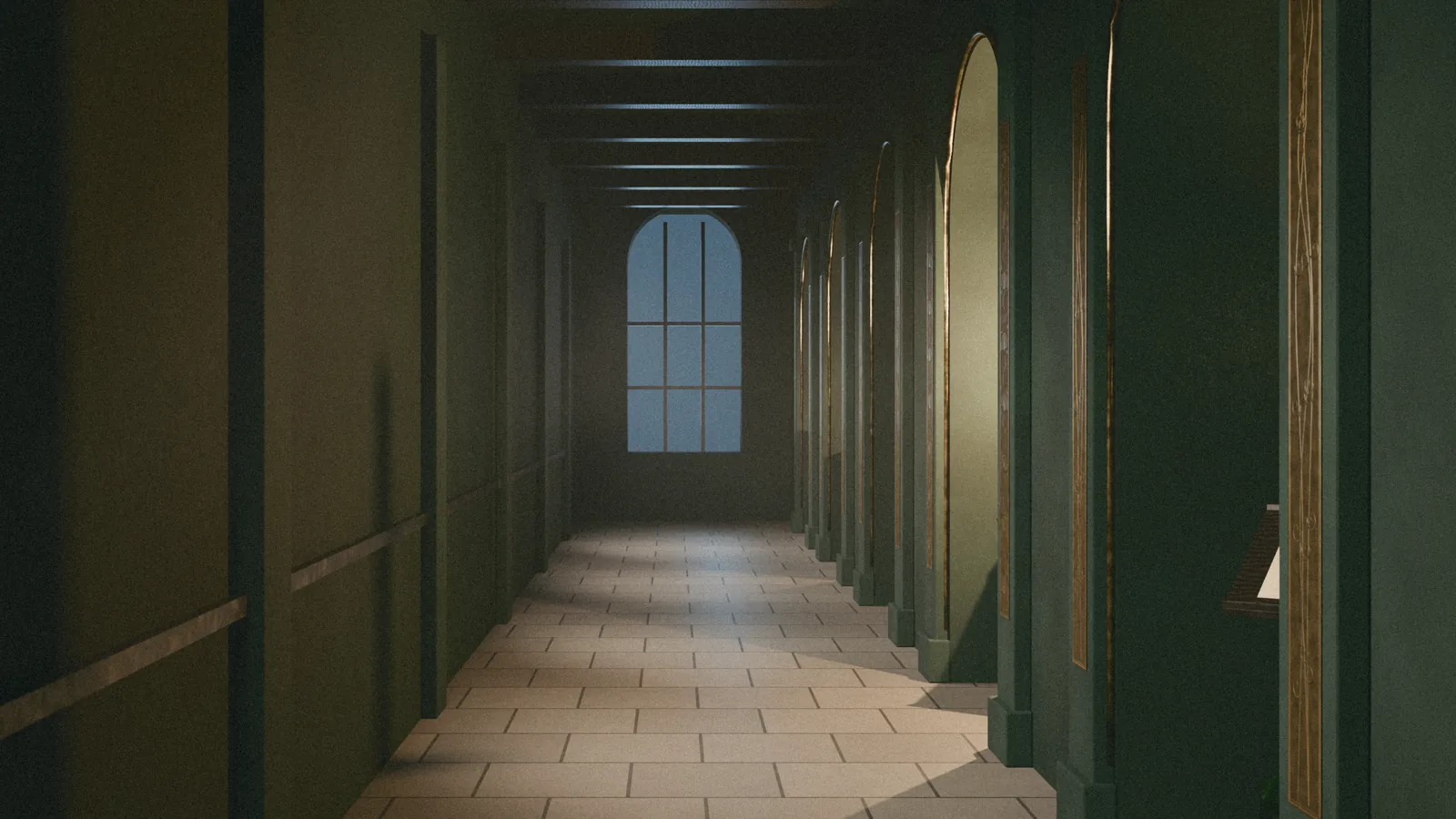
The corridor of the era bays: an illustrative render of period reading niches, modelled and rendered in-house (Blender Cycles; a CC0 lighting file from Poly Haven as a render input). It is not an object from this history.
The Complete Timeline of Perfumery
From sacred temple incense to synthetic molecules that smell of concepts never found in nature — trace humanity’s obsession with capturing the invisible.
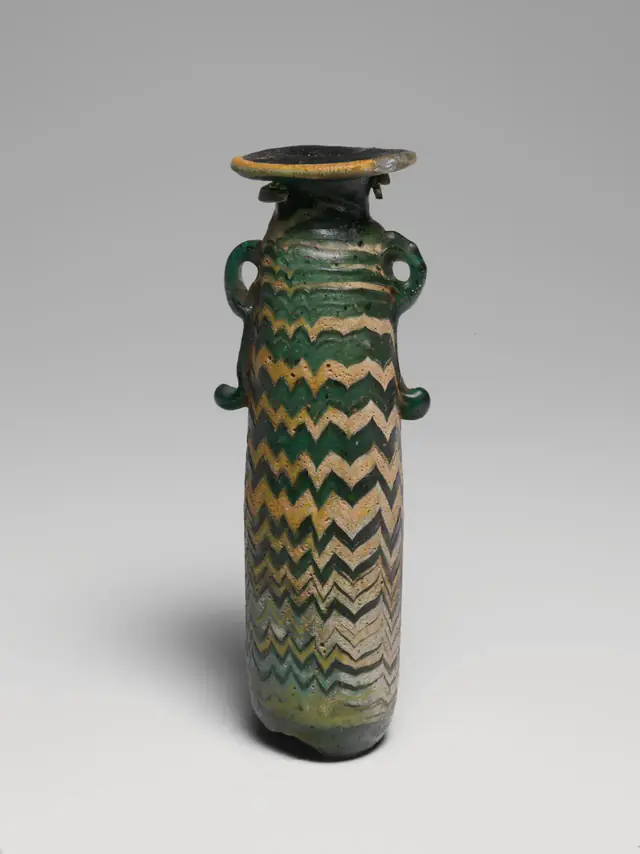
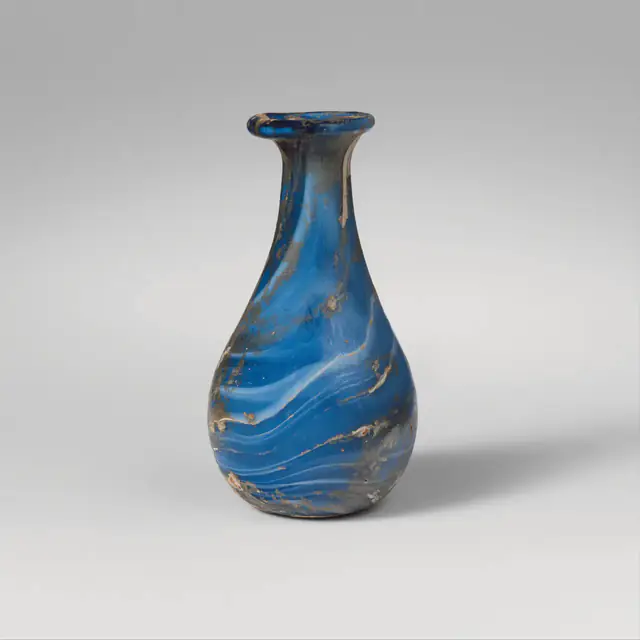
The Bottle in Pictures: the vessels of each bay in their museums’ own photographs, from Egyptian glass and stone to cut crystal and enamel, in the order of this timeline.
The Virtual Museum: the same objects, with prints, papers and 3D scans, in seven rooms of display cases, from antiquity to the house’s own bench.
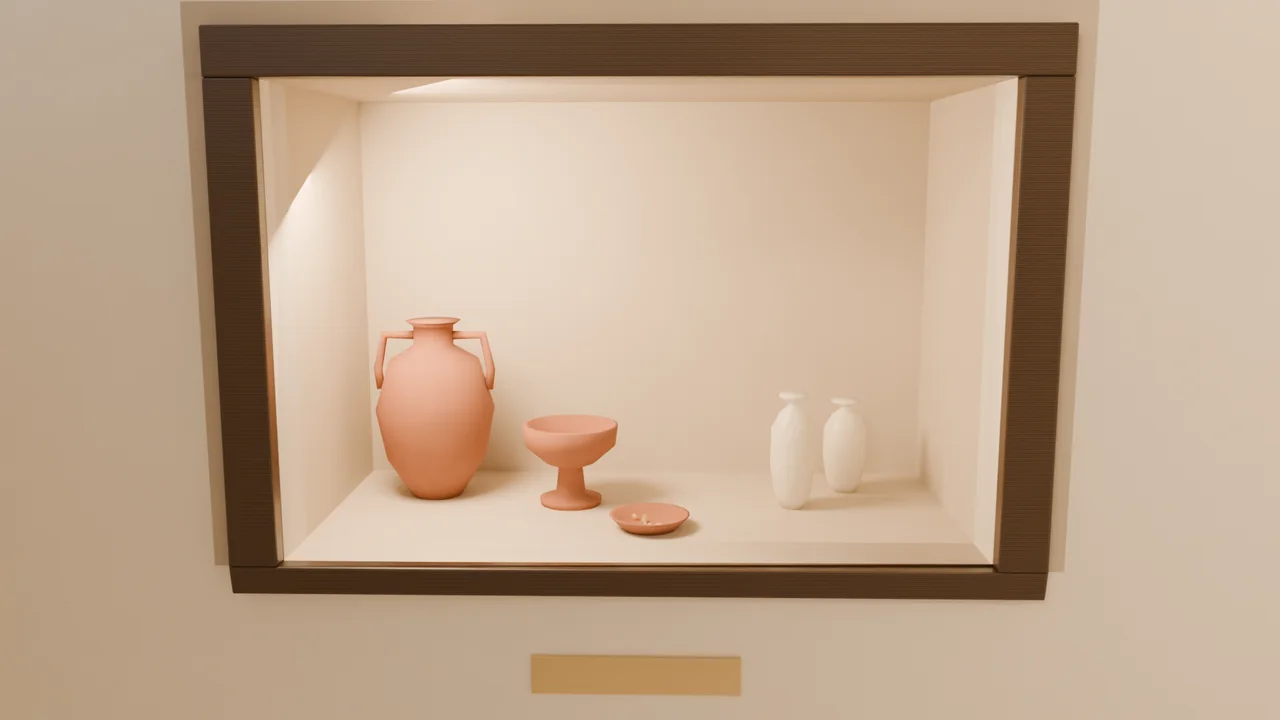
HIST-1 · Ancient World, 3000 BCE – 500 CEa reconstruction, modeled and rendered in-house · © Radler Parfums
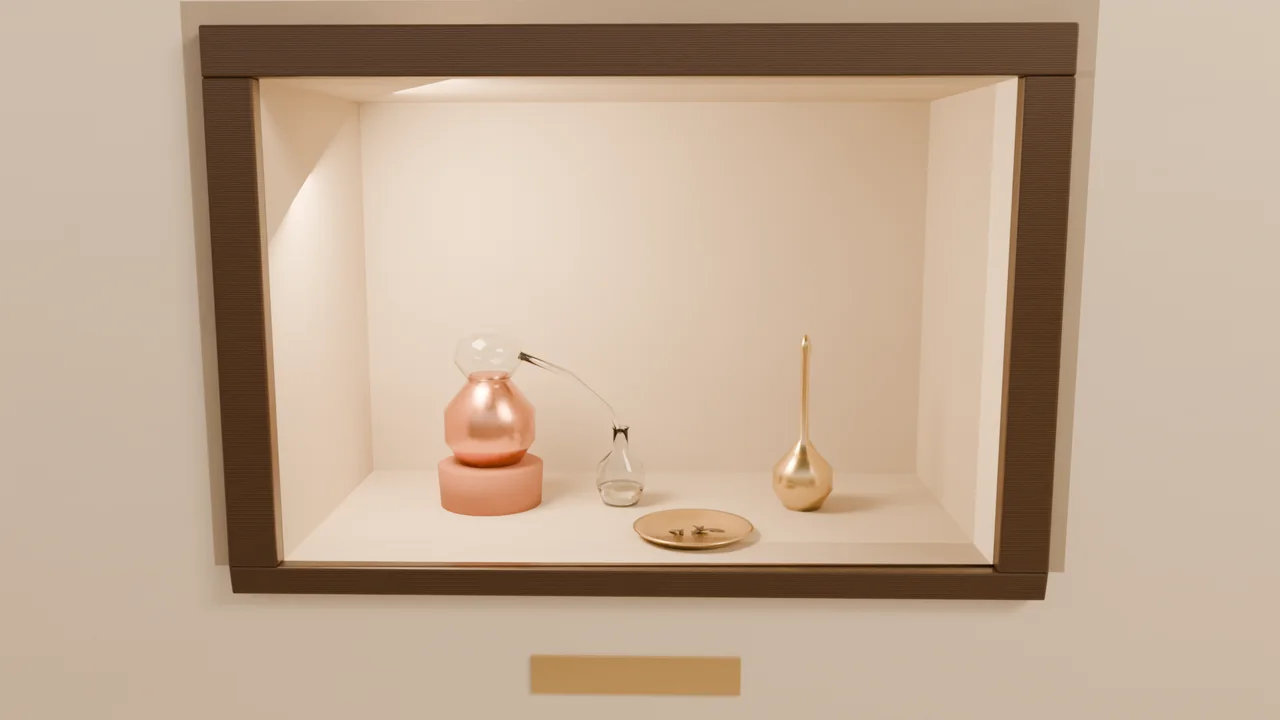
HIST-2 · Islamic Golden Age, 500 – 1400 CEa reconstruction, modeled and rendered in-house · © Radler Parfums
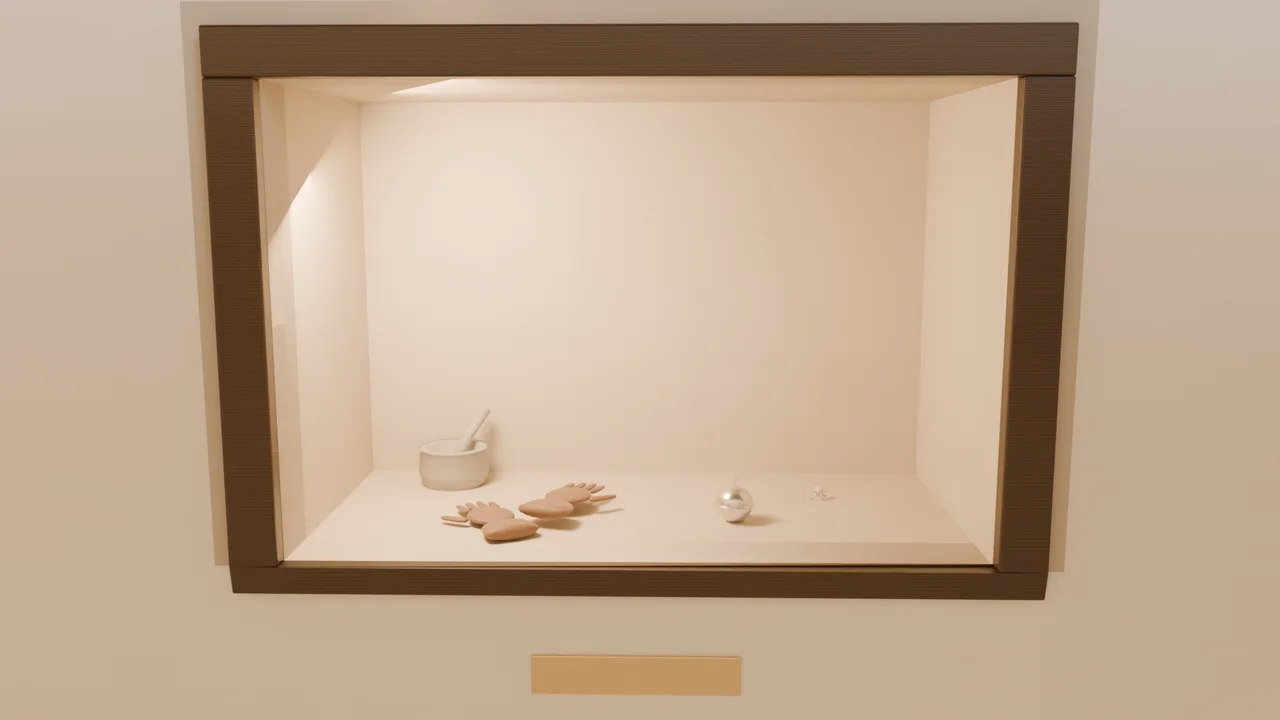
HIST-3 · Renaissance, 1400 – 1800a reconstruction, modeled and rendered in-house · © Radler Parfums
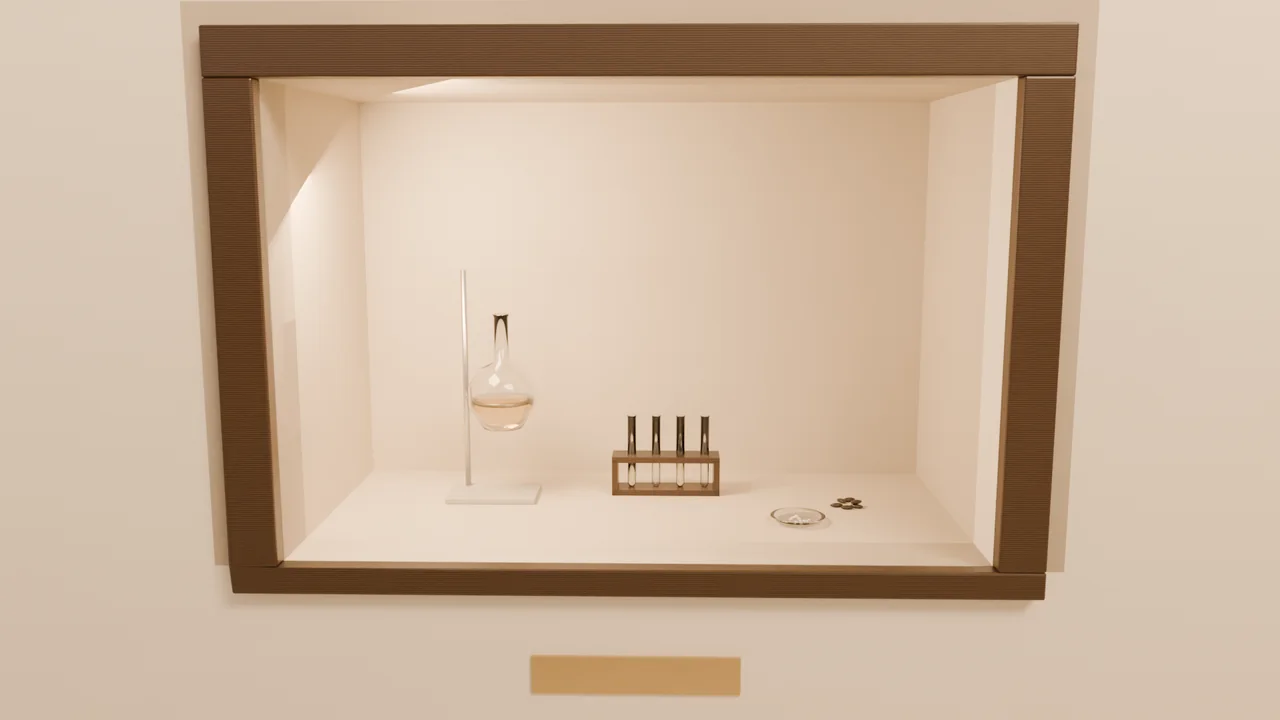
HIST-4 · Synthetic Revolution, 1800 – 1950a reconstruction, modeled and rendered in-house · © Radler Parfums
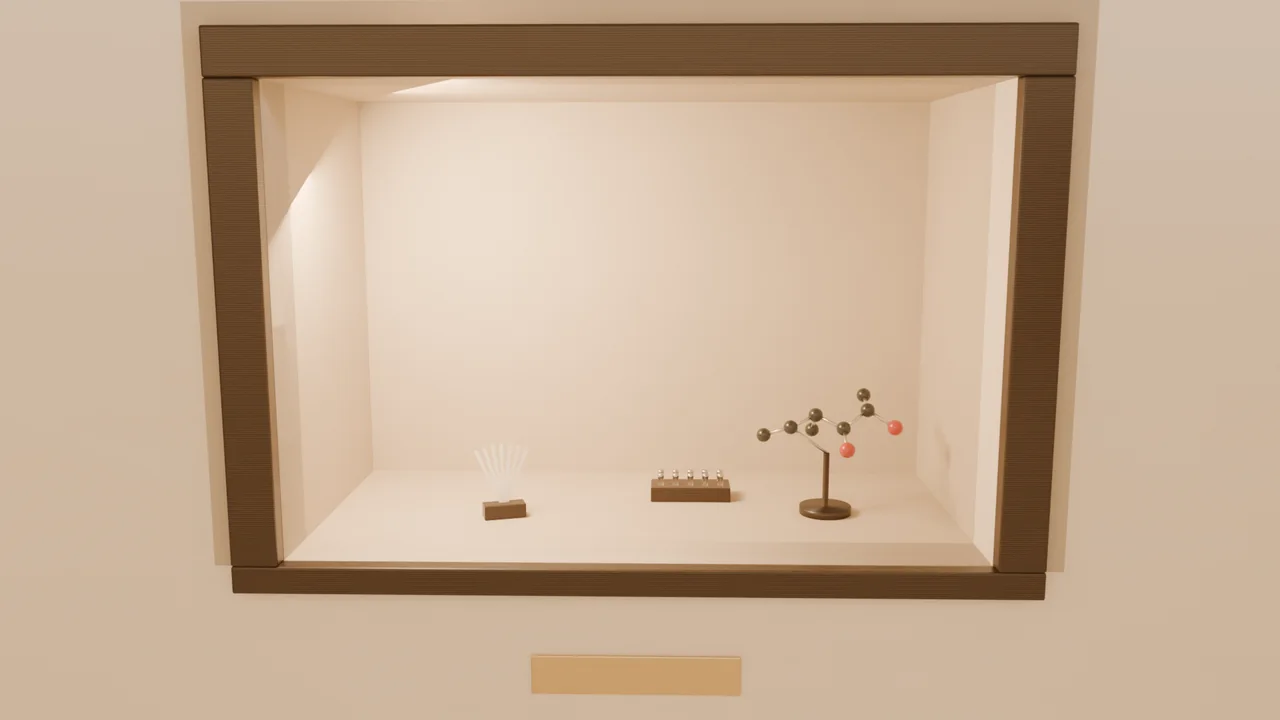
HIST-5 · Modern Era, 1950 – Presenta reconstruction, modeled and rendered in-house · © Radler Parfums
The Ancient World
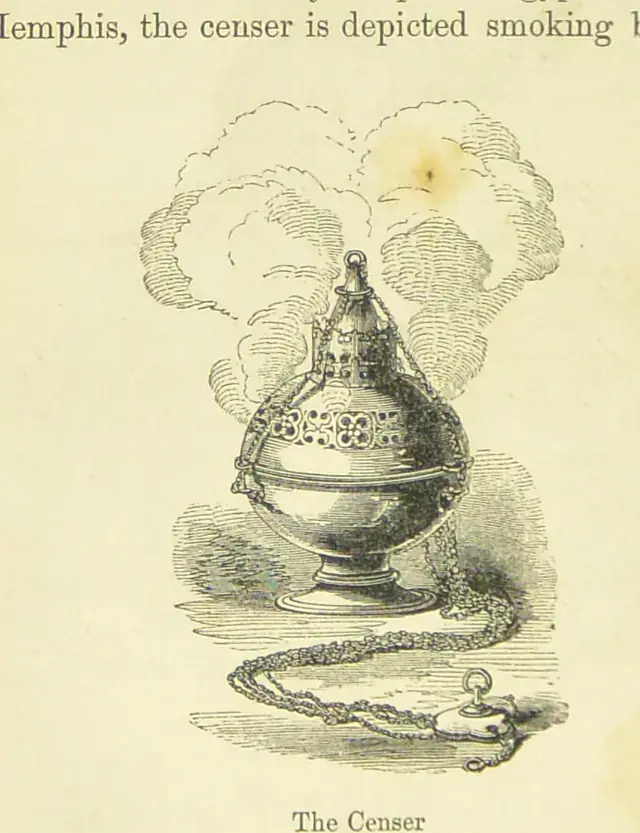
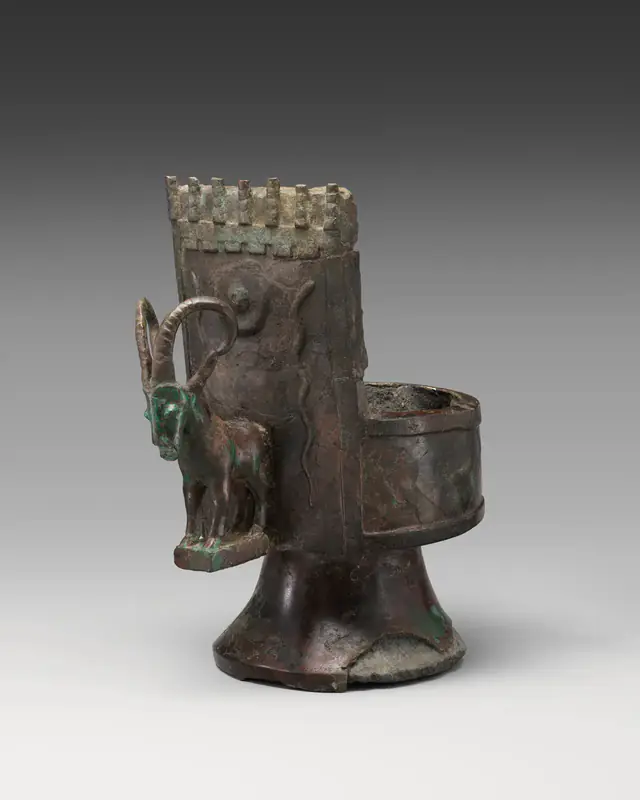
The word “perfume” derives from the Latin per fumum — “through smoke.” In antiquity, fragrance was not cosmetic but cosmic: a bridge between mortals and the divine. The Egyptians believed scent carried prayers to the gods. Greeks anointed athletes and corpses alike. Romans bathed in rose water by the ton. This was perfumery as sacred technology.
A strand from modern scholarship
- late third millennium BCEScented oils in Early Bronze Age bottles from Küllüoba, Anatolia
documented
the exchange of scented oils in Anatolia already during the late third millennium BCE
İsmail Tarhan, Michele Massa and colleagues · the source · read 2026-10-14
- c. 2300–2100 BC (the main period of use of the ābi)A small woman-shaped vessel in the underworld shaft of Urkesh
documented
a place where sacrifices and other rituals took place in order to contact the deities of the underworld
Laerke Recht · the source · read 2026-10-14
- Eleventh DynastyThe seven sacred oils in the tomb of Meru at Thebes
documented
oils and linen are reinterpreted as central instruments for restoring the deceased’s identity
Anastasiia Stupko-Lubczynska · the source · read 2026-10-14
- Old Babylonian periodA perfumer’s workshop in the palace administration of Larsa
documented
the perfumer’s workshop received raw materials in the form of vegetable products, such as woods, gums
Robert Middeke-Conlin · the source · read 2026-10-14
- the early Eighteenth Dynastyʿntjw in place of sfṯ among the sacred oils at Deir el-Bahari
documented
the third one – sfṯ – has been replaced by ʿntjw
Katarzyna Kapiec · the source · read 2026-10-14
- the Amarna letters, 14th century BCThe king of Alasia asks the pharaoh for aromatic oils
documented
Alasia sent him 500 talents of copper and asked for aromatic oils and other gifts in return.
Ioannis (2013). Fappas · the source · read 2026-10-14
- the Amarna period (14th century BC)Head cones from the cemeteries of Amarna, made of wax
documented
their primary constituent is a biological wax, and not fat or incense
Anna Stevens, Corina E · the source · read 2026-10-14
- Late Bronze Age (the Mycenaean tablets)Rose-scented oil on the Linear B tablets
documented
wo-do-we /wordowent/ 'rose-scented'
José (1983). Melena · the source · read 2026-10-14
- the Middle Assyrian periodPerfume recipes in the Temple of Aššur
documented
the perfumed oils detailed in these recipes bear connections to royal rituals
Yu Song · the source · read 2026-10-14
- about 1175 BC (Late Minoan IIIC Early)A perfumed oil in a stirrup jar from East Crete
documented
the value-added product contained within the jar, a perfumed oil
Andrew (2017). Koh and Kathleen J. Birney · the source · read 2026-10-14
- the Meroitic period, 270 BC to the mid-fourth century ADPerfumed oils and incense in the rites of Meroitic Nubia
documented
temple and funerary rituals linked to the consumption of perfumed oils, burnt incense and ointments
Marco Baldi · the source · read 2026-10-14
- 2nd century BC (the archive under the Seleucids)Cedar oil in small jars from the Seleucid archive at Tel Kedesh
documented
true cedar oil from Cedrus libani
Andrew (2021). Koh and Andrea M. Berlin · the source · read 2026-10-14
- the Ptolemaic and Roman periodsFlasks for scented oil from Kiman Faris, the Fayum
documented
Small pottery vessels of scented oil were discovered during salvage excavations held between 1960 and 2005 at Kiman Faris
Yahya Mahmoud · the source · read 2026-10-14
- found in 2019, in a Roman tombA Roman perfume identified in a rock-crystal jar from Carmona
documented
the perfume held in the unguentarium was probably patchouli
Daniel Cosano, Juan Manuel Román and colleagues · the source · read 2026-10-14
- second century ADRecipes for iris, rose and lily oil on a papyrus from Oxyrhynchus
documented
This papyrus discusses the preparation of iris, rose and lily oil
Giulia Freni · the source · read 2026-10-14
- sixth century ADAetius of Amida’s recipes for the face
documented
According to Galen, cosmetics is a part of medicine
Irene Calà · the source · read 2026-10-14
The Islamic Golden Age
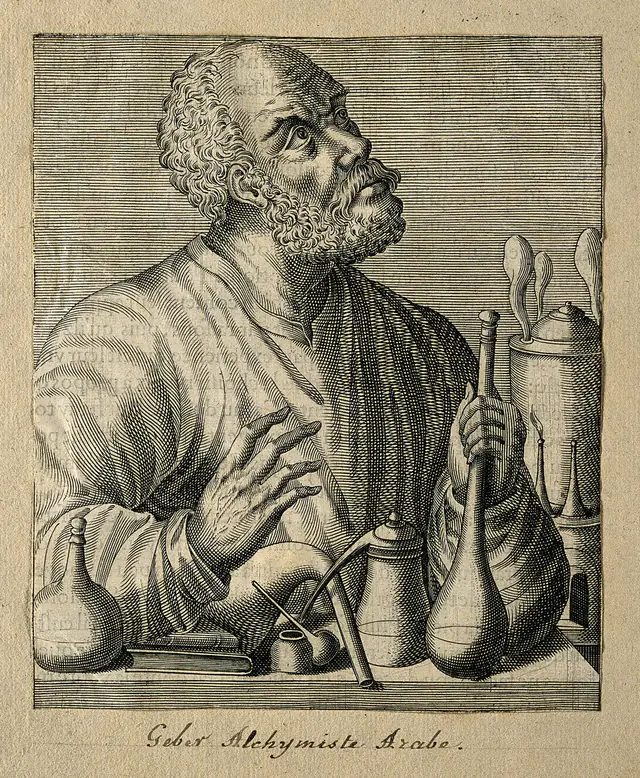
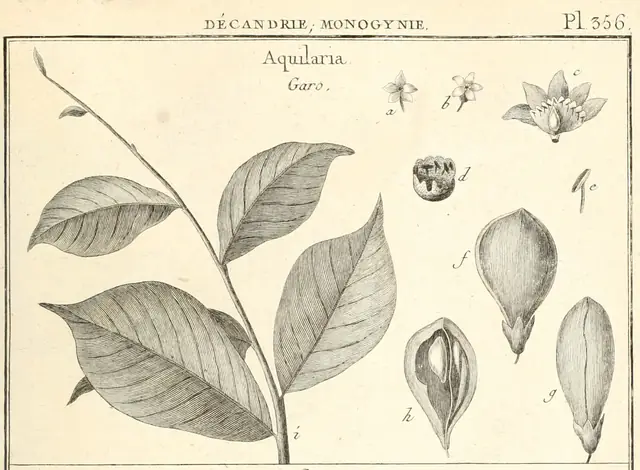
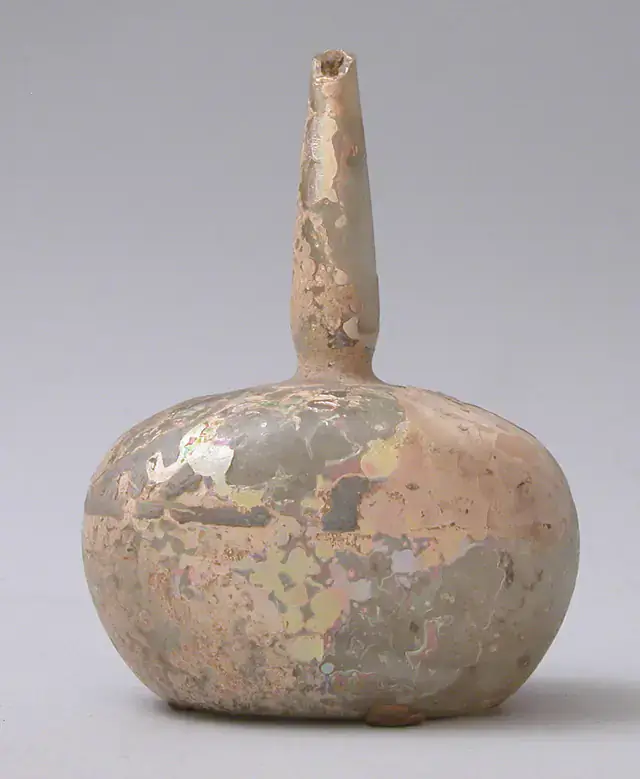
In the medieval Islamic world, scholars transformed chemistry. They refined distillation, and with it the extraction of essential oils. Rose water became both medicine and luxury. Oud, musk, and ambergris traveled the Silk Road. Baghdad, Damascus, and Cordoba became centers of olfactory innovation.
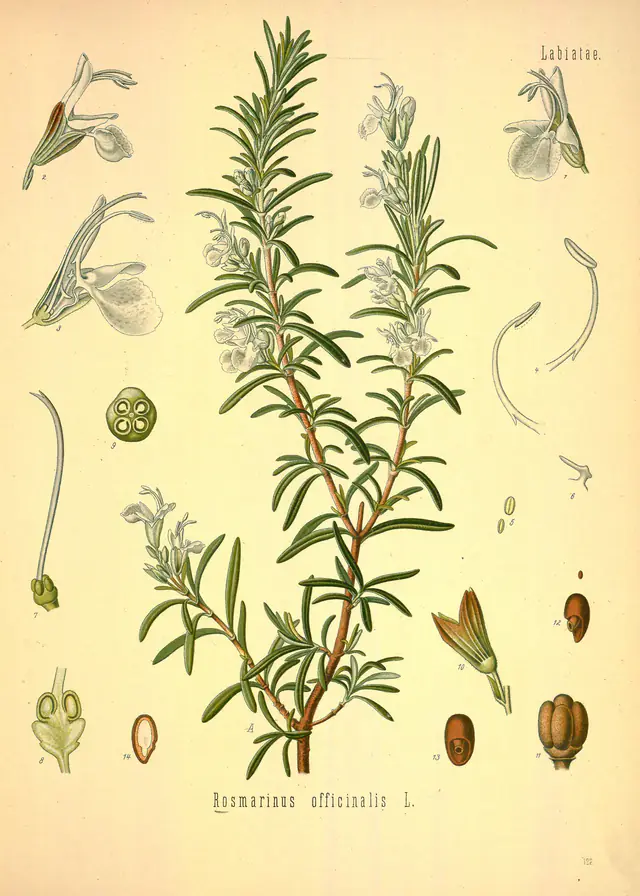
A strand from modern scholarship
- seventh to ninth centuries CEPerfumed columns at the Prophet’s places of prayer in Mecca and Medina
documented
perfume was applied to parts of the buildings
Adam Bursi · the source · read 2026-10-14
The Renaissance & Enlightenment
Catherine de' Medici brought Italian perfumers to France, establishing the tradition that would make Grasse a capital of perfumery. Perfume became inseparable from fashion, politics, and intrigue. Glovemakers-perfumers formed powerful guilds. Louis XIV’s court consumed fragrance so lavishly it was called “the perfumed court.” And in Grasse, a town discovered its destiny.
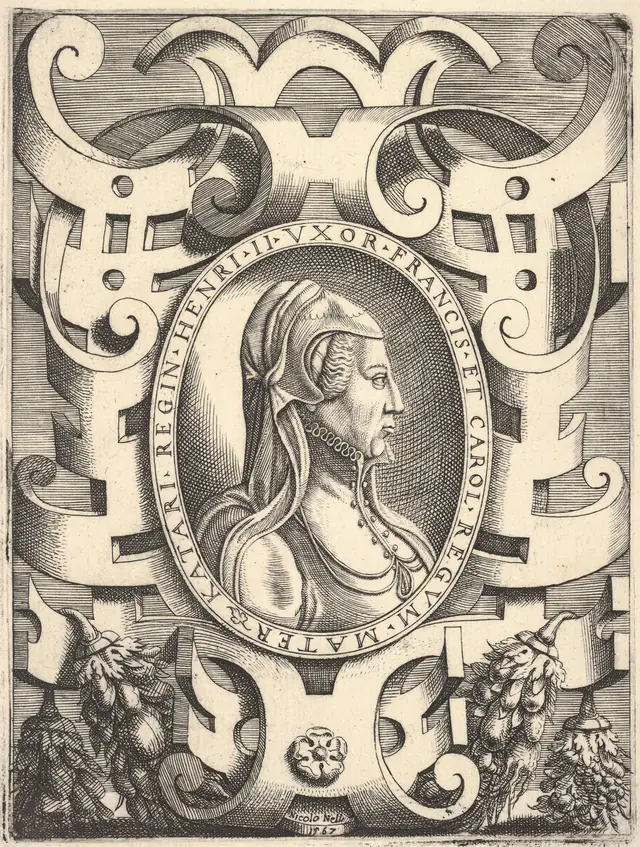
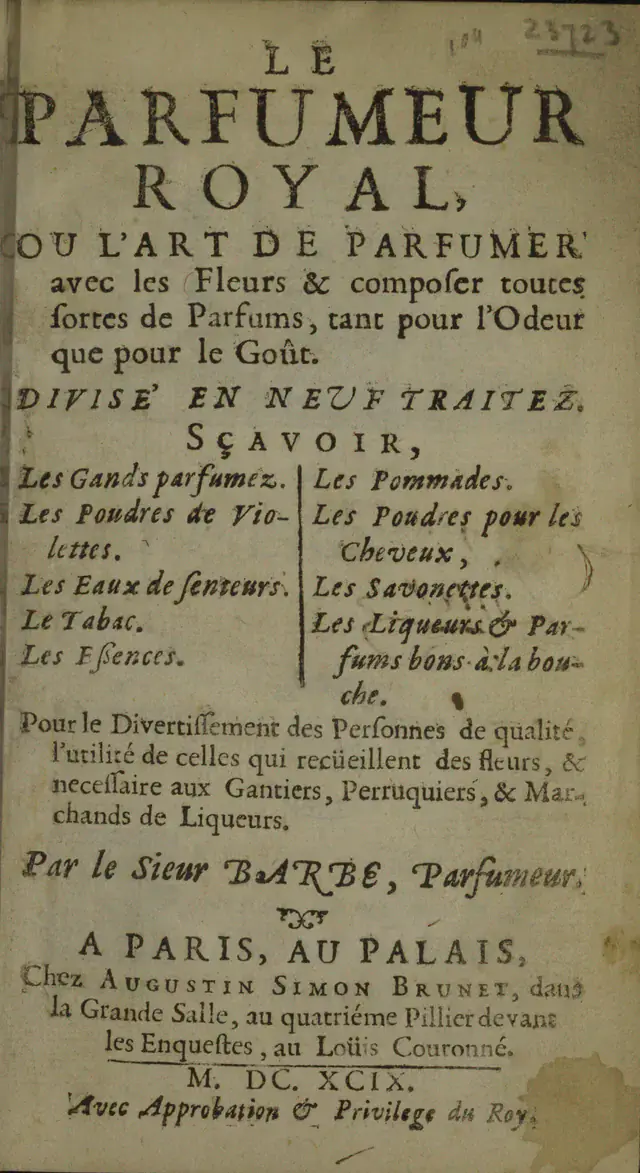
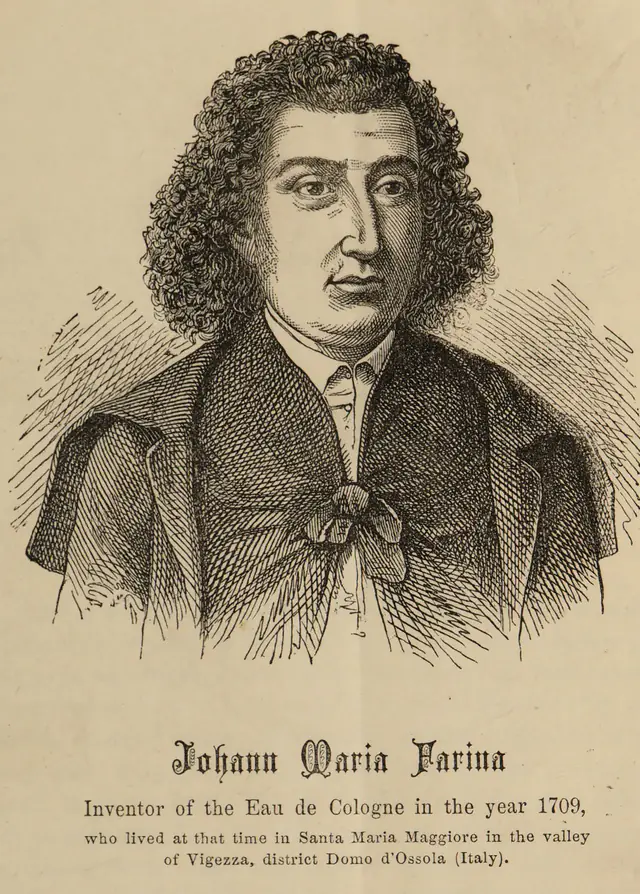
A strand from modern scholarship
- 1549Eleonora di Toledo orders rose oil for the Medici household
documented
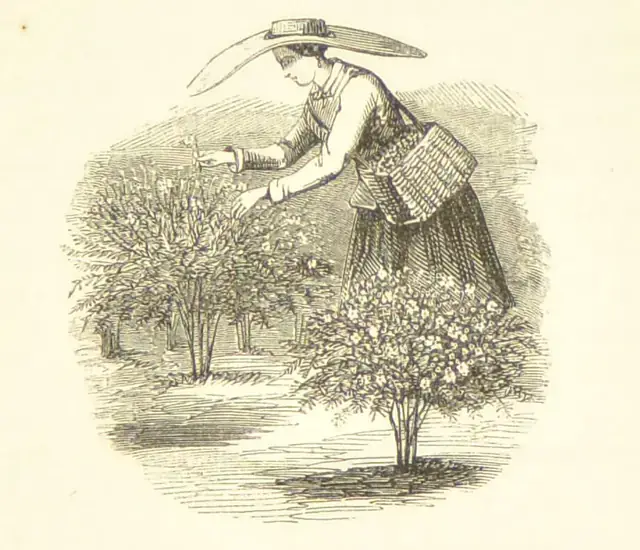
In a 1549 letter, the Duchess Eleonora di Toledo orders rose oil, rose honey, and sweet almond oil
Rebekah Compton · the source · read 2026-10-14
The Synthetic Revolution
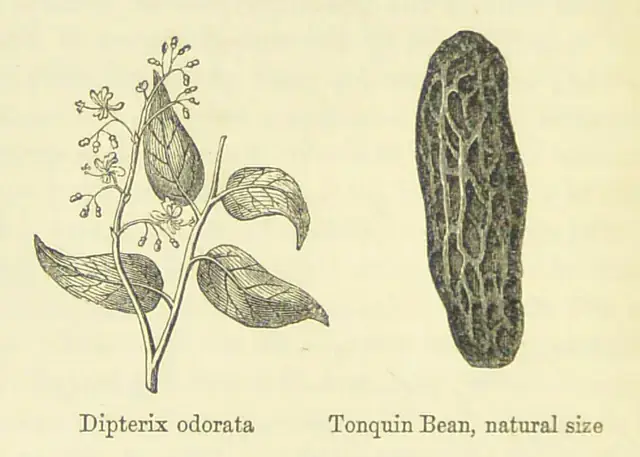
Organic chemistry transformed perfumery from craft to science. Coumarin (1868), vanillin (1874), and the aldehydes enabled scents impossible in nature. Guerlain became a model of the modern perfume house. Chanel No. 5 democratized abstract luxury. The great classics — Shalimar, Mitsouko, L’Heure Bleue — were born in laboratories, not flower fields.
The Modern Era
Hedione gave perfumery radiance. Calone created the ocean in a bottle. Designer fragrances became billion-dollar businesses. Then came the backlash: niche houses rejecting focus-grouped mass appeal for artistic vision. Today’s landscape spans from the cheapest bottles to the costliest niche ones — and everything in between.
documented
The year is the synthesis paper’s: E. Demole, E. Lederer and D. Mercier. Synthèse du dihydrojasmonate de méthyle (pentyl-2-oxo-3-cyclopentylacétate de méthyle). Helvetica Chimica Acta 45 (1962). Publisher (Wiley), DOI 10.1002/hlca.19620450234 (checked 2026-10-08). · the source · the record’s historic texts
7 sourced · 1 labeled · 9 unsourced
Evidence for this section: 7 sourced · 1 labeled · 9 unsourced
Sources cited here include: Wikidata (Wikimedia Foundation); Stepanyuk and Kirschning (2019). Synthetic terpenoids in the world of fragrances: Iso E Super® is the showcase; Lanfranchi et al. (2025). Transforming a Historical Chemical Synthetic Route for Vanillin Starting from Renewable Eugenol to a Cell-Free Bi-Enzymatic Cascade
Perfumer Lineages
Perfumery knowledge passes from master to apprentice in unbroken chains spanning generations. These dynasties have shaped how the world smells — their students and stylistic descendants create the fragrances you wear today.
52 sourced · 1 labeled · 19 unsourced
Evidence for this section: 52 sourced · 1 labeled · 19 unsourced
Sources cited here include: Osmothèque, Conservatoire international des parfums; Wikidata (Wikimedia Foundation)